
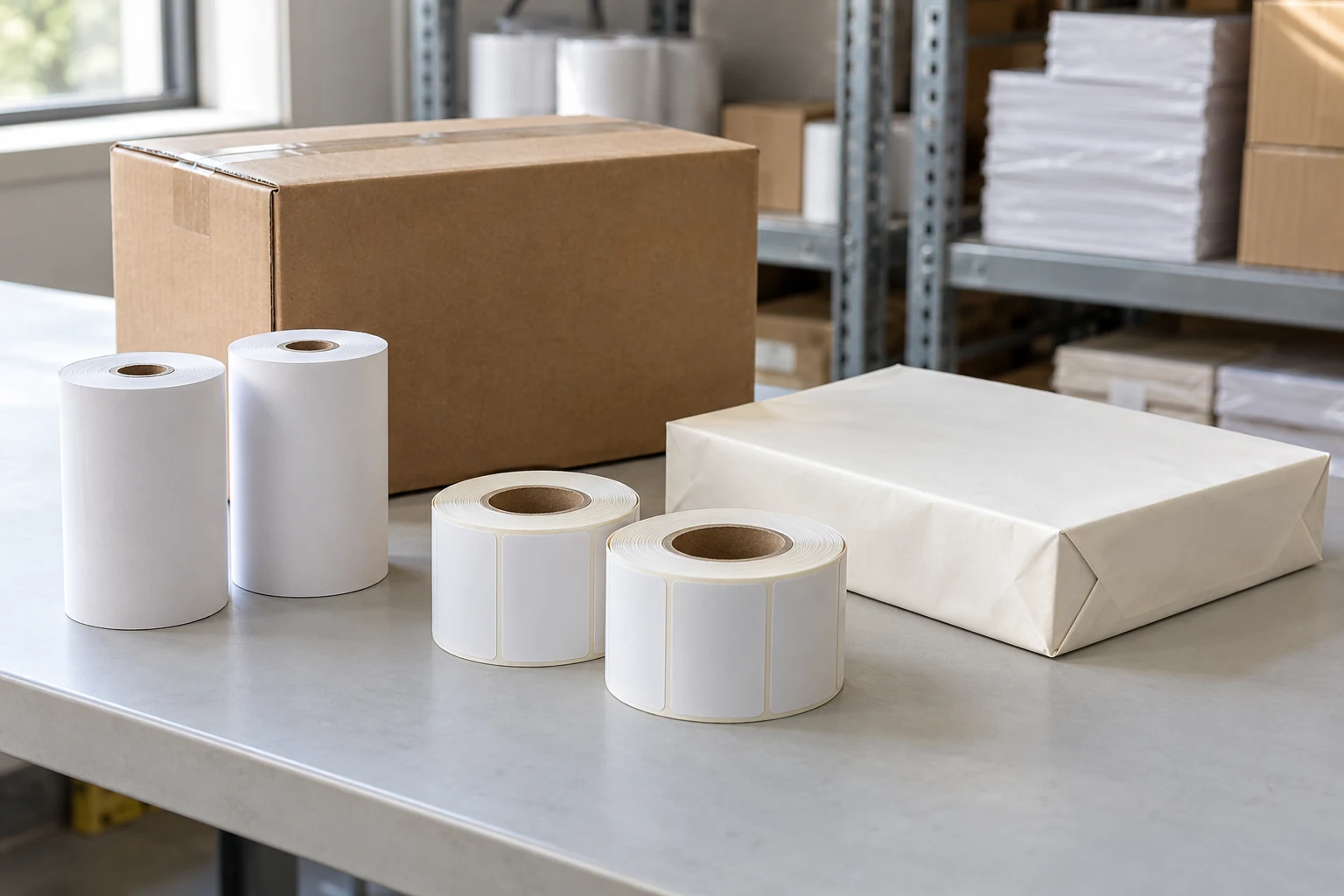
PAPER FOR IMPORTERS & DISTRIBUTORS
Wholesale paper
and private-label supply.
CXPAPER supports wholesale and private-label sourcing across six paper and printing-consumable families. Define each product, quantity and carton count before combining the requirements in one enquiry.
IMPORTERS & DISTRIBUTORS / PROCUREMENT
One range.
Many different buying units.
Importers need quotations that preserve material differences. Wholesalers need packs that fit their channels. Brand owners need artwork that matches the product inside. Give each SKU a specification and revision before combining the range into a commercial enquiry; it makes price comparison and repeat purchasing more dependable.
- Paper importers — multiple formats, destination requirements and clear supply scope.
- Wholesalers & resellers — channel-specific pack sizes, product identification and useful quantities.
- Private-label brands — product selection, wrapper artwork, carton marks and controlled revisions.
APPLICATION / PRODUCT / SPECIFICATION
Make the buying
decision specific.
| Working requirement | Product route | Parameters to capture |
|---|---|---|
| Receipt-roll range | Thermal paper rolls | Grade, dimensions, core, metres per roll and retail/distributor packing. |
| Label & ribbon range | Labels with separately specified ribbons | Printer/media pairing, label construction, roll format and useful units per carton. |
| Business-paper range | Copy paper, continuous forms and NCR | Sheets or complete sets, grammage, parts, format and channel-specific packing. |
| Private label | Product print, wrapper and carton | Separate artwork revisions, readable item identification and agreed product descriptions. |
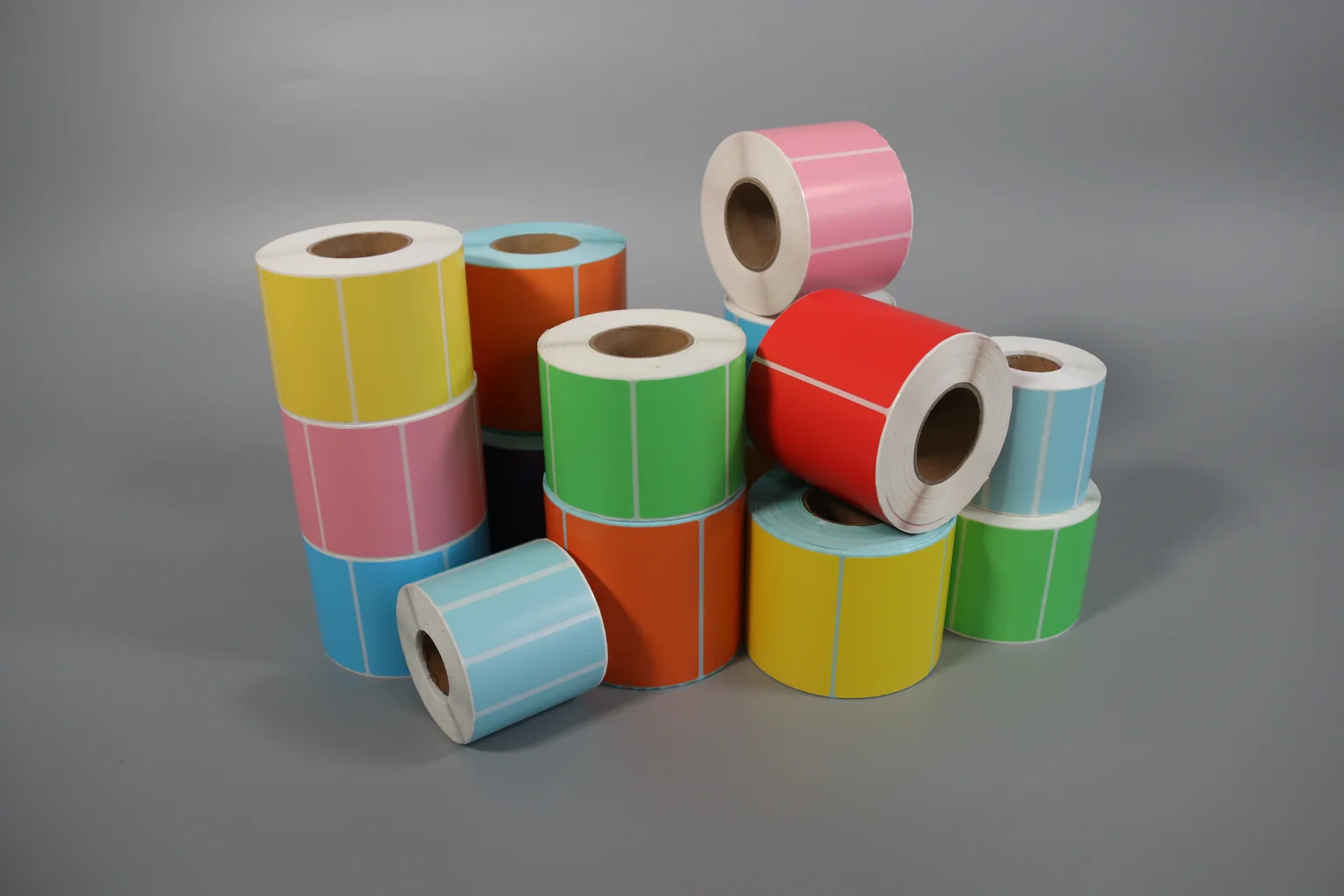
THE CXPAPER PRODUCTION & SUPPLY SCOPE
Build the SKU
from paper to presentation.
Explore material & converting optionsCXPAPER combines manufacturing and trading supply across six paper and printing-consumable families. Customisation includes product dimensions, paper grammage, material, logo and packaging; stated production operations include slitting, rewinding, printing, cutting and packing. This makes the OEM discussion broader than a branded carton: the underlying paper format, quantity basis and equipment fit belong in the same project.
Separate a specification-led OEM project from a development discussion. For OEM, supply the product reference, artwork and pack requirements you want reproduced. For a range under development, explain the customer application, current product and changes being considered so the team can review the material and converting route. The quotation should identify which goods are manufactured and which are supplied through the broader range. A six-family catalogue does not mean every component is produced in-house.
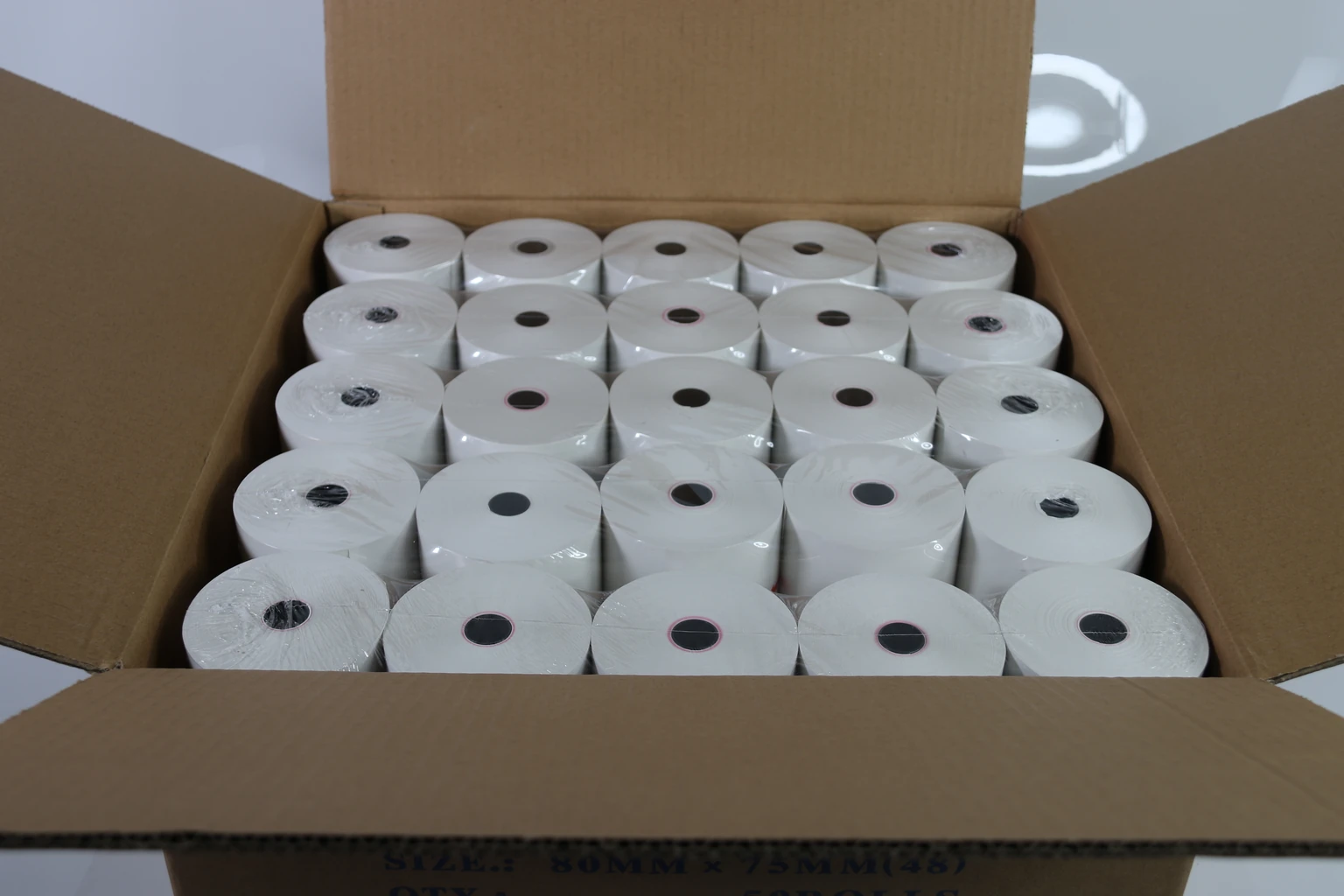
Carton configuration / client packing example
See the production process
Define each item before consolidating the order.
A commercial SKU name may omit details that matter when sourcing. Keep a specification line for every distinct size, material, construction or packing configuration. Record your own item reference alongside the product family, then state the quantity with its unit.
Separate known requirements from points needing assistance. If you are replacing an existing item, describe the current sample and the intended changes. Combining several families in one enquiry is useful, but it should not collapse their measurements into a single text description or allow a shared packing note to override different product needs.
Normalise quantity without hiding the differences.
Keep the original quoted unit and packing configuration visible. Convert carton prices to the relevant product unit only after the carton count is clear. For thermal rolls, compare cost per 100 metres after aligning the rest of the specification; for copy paper, align total sheets and grade.
Use the same currency and identify which costs are included. Product, packaging and transport assumptions should remain distinguishable in the record. A unit-cost calculation does not establish printer fit, sample approval or the suitability of a material. Preserve those decisions beside the numerical comparison.
Link the sample to the item and artwork revision.
Give each sample a reference connected to its specification. Choose checks that reflect the end use: roll installation and printing, label feeding and package application, form alignment and copies, or a ribbon's intended printer/media pairing. Record the conditions and observations rather than marking an entire family approved from one sample.
- Separate product artwork, inner-pack artwork and carton marks.
- Identify the dimensions, orientation and file revision for each.
- Keep pack descriptions and printed claims consistent with the agreed product.
- Confirm sample scope, fees and freight before arranging the review.
Make receiving and the next enquiry easier.
Define units per inner pack and carton for each item. State how different sizes or grades should be identified, and give the destination, any pallet request and receiving constraints. A consolidated enquiry still needs separate product quantities and packing counts.
At receipt, compare identifiers and packing with the agreed order and record damage or discrepancies with photographs and the delivery reference. For a reorder, cite the specification, sample and artwork versions, then list any changes. This is a purchasing method your team can maintain; it does not imply a particular factory tracking system or automatic replenishment service.
AN ORDER YOU CAN CHECK
Define the evidence
behind approval.
CXPAPER’s quality sequence covers incoming material, in-process checks, finished goods and pre-shipment inspection. For a multi-SKU order, use a line-by-line inspection scope instead of approving the whole range from one sample. Inspection reports can be requested for review. Agree the measurements, sampling approach and defect criteria relevant to each family; do not infer a universal tolerance or acceptance plan from the supplier’s catalogue.
| Quality question | What the review covers | Evidence to retain |
|---|---|---|
| SKU specification | Match dimensions, material, core or form construction to the approved item and sample. | Maintain an item code, specification revision and reference sample for each distinct format. |
| Useful quantity | Align metres, labels, sheets or complete sets with the packing count and quoted unit. | Keep the original quotation unit alongside any cost-per-unit conversion. |
| Brand & shipment | Match artwork revisions, pack identification, quantities and condition to the order. | Keep product proof, wrapper/carton proof and receiving record as separate evidence. |
Bring the intended use, critical measurements and required documents into the same discussion.
Discuss order qualityBUYER QUESTIONS / IMPORTERS & DISTRIBUTORS
Before you
place the order.
Can all six families be included in one purchasing brief?
Yes. Keep each product and specification on its own requirement line with an explicit quantity unit. Link paired items, such as labels and ribbons, without merging their dimensions or packing details. Confirm the proposed scope in the quotation.
What makes two offers comparable?
The product construction, useful quantity, packing, currency and included cost scope must be clear. If a difference remains, record it rather than forcing both quotations into one headline figure. Use a sample review for questions a price calculation cannot answer.
Can a packaging proof stand in for a product sample?
No. Packaging artwork checks identification and presentation; it does not establish the paper or ribbon's application fit. Review the product, artwork and packing as separate items, linked to the same order version.
What should accompany a repeat-order reference?
Add quantity and unit, destination and any changes to specification, artwork, packing or timing. If the end-use equipment or surface has changed, identify that too so the previous sample is not treated as approval of a different application.
What quality documents can CXPAPER provide?
CXPAPER can provide inspection reports for review. Identify the product, inspection scope and document requirements in the enquiry. A report should relate to the agreed material or order; a general brochure is not a batch inspection result.
Related products and guides
Technical reading.
These manufacturers’ references explain paper and label principles. CXPAPER capabilities on this page come from the company’s supplied materials; the referenced manufacturers’ own products, performance claims and certifications are not CXPAPER specifications.
FROM APPLICATION TO AN AGREED SPECIFICATION
A sample should answer
your operating question.
Specify what you print, the equipment or surface involved, and the issue the sample needs to resolve. Add quantity, packing and destination for the quotation.
Plan your range sample