
PAPER FOR OFFICE & FINANCE
Copy paper
and multipart business forms.
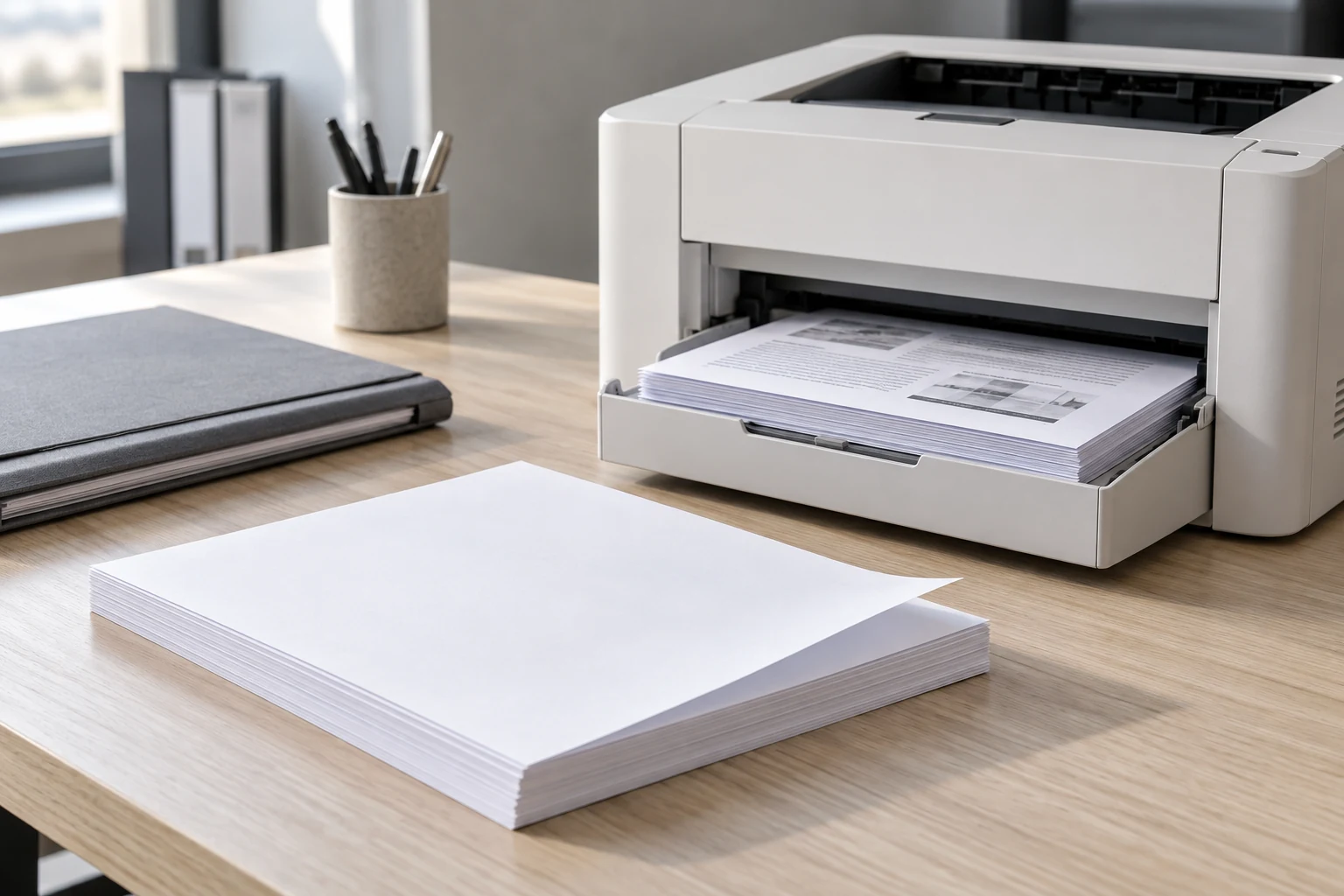
CXPAPER supplies A4 copy paper, continuous computer paper and carbonless NCR paper for office printing, invoices and delivery records. Match the format, paper grade and copy count to the workflow.
OFFICE & FINANCE / PROCUREMENT
The right format
for the work behind it.
Office managers buy for printer feeding and daily document use. Finance teams need the correct originals and copies. Dispatch staff need forms that align, separate and reach the right recipient. These tasks may share a purchase order, but they require separate media specifications and a different sample check.
- Office administration — cut-sheet printing, internal records and everyday documents.
- Finance & accounting — numbered layouts, multipart records and distributed copies where required.
- Dispatch & business forms — tractor-fed documents, detachable margins and repeated page layouts.
APPLICATION / PRODUCT / SPECIFICATION
Make the buying
decision specific.
| Working requirement | Product route | Parameters to capture |
|---|---|---|
| Office documents | A4 copy paper | Sheet size, grammage, intended equipment, duplex use and explicit sheet/pack counts. |
| Tractor-fed forms | Continuous computer paper | Full and finished width, page length, holes, folds, perforations and print registration. |
| Distributed copies | Carbonless NCR sets | Impression method, parts, sheet order, colours, layout and legibility of every required copy. |
THE CXPAPER PRODUCTION & SUPPLY SCOPE
Cut sheets.
Continuous forms. Copy sets.
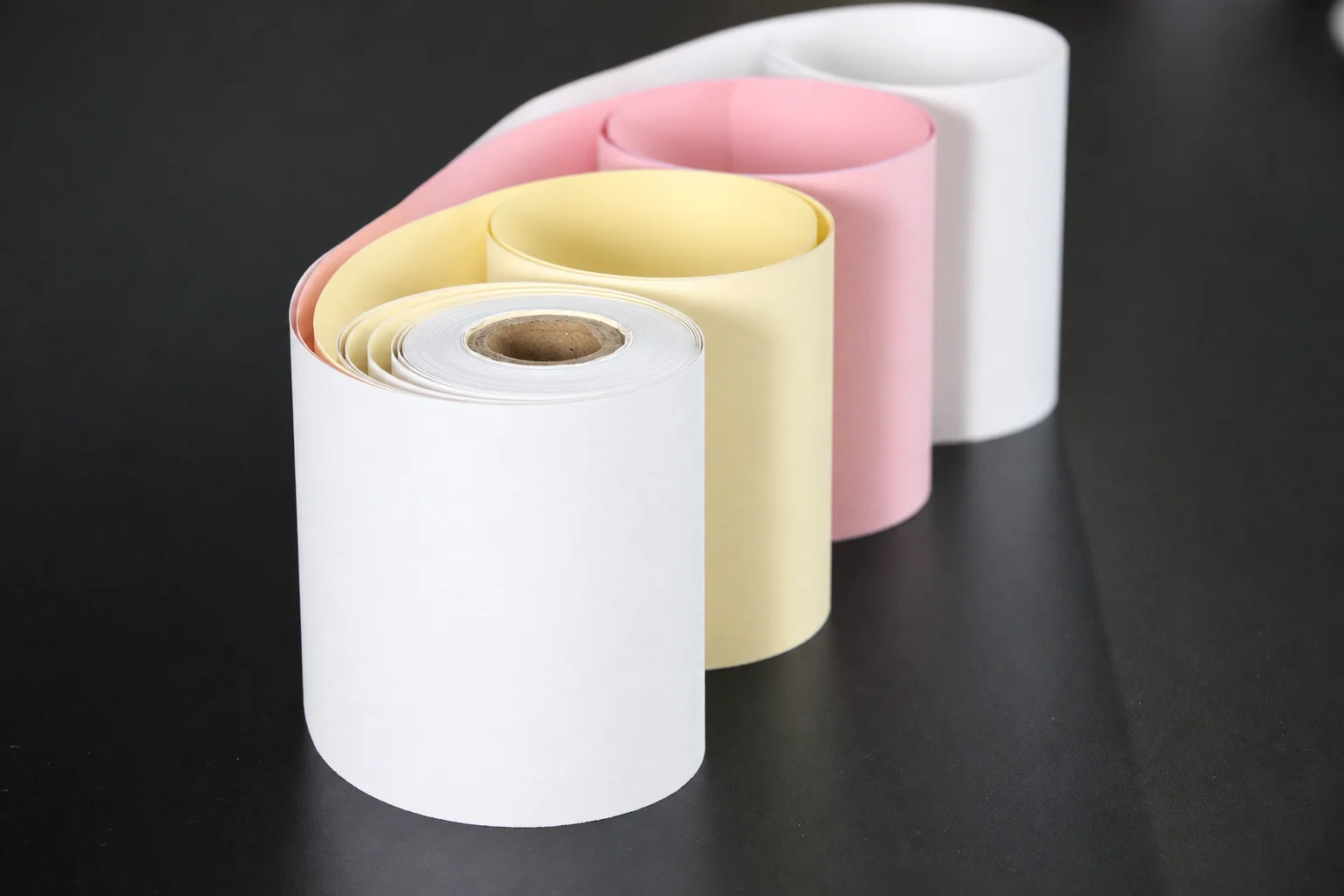
Explore material & converting optionsCXPAPER supplies A4 copy paper, continuous computer paper and carbonless NCR paper. Its brochure records A4 grades of 70 and 80 g/m². The business supports size, grammage, material, printing and packing requirements, with cutting and printing among the stated production operations. For forms, provide both the physical construction and the document layout: margins, holes, folds, perforations, number of parts and where variable information will be printed.
Grammage describes paper mass per square metre. Caliper is the physical thickness, normally expressed in micrometres. Neither the 70/80 g/m² grade nor a photograph establishes a measured thickness, opacity or machine performance. Where thickness is a procurement limit, include the required value and measurement basis as a separate field. For multipart work, sample the complete assembly: changing the number or sequence of sheets changes the job that the writing or printing action must perform.
Business-paper production
See the production process
Describe the document before choosing the paper.
List the equipment used to create the document and the way it is handled afterward. Cut-sheet office printing, dot-matrix feeding and pressure-copy sets are distinct requirements. A page size such as A4 does not establish which medium the printer supports.
For a form with several recipients, identify the original and each required copy. Record any colour sequence and explain how the copies are separated and distributed. If the document needs an archive or retention period, include that requirement for discussion; do not infer a guaranteed life from a paper-family name.
The sheet sequence is part of the copy system.
A conventional carbonless set uses CB paper at the top (coated back), CFB for intermediate copies (coated front and back), and CF at the bottom (coated front). The coatings work together under the intended impression. Colours help route copies, but colour alone does not identify the coating or establish the correct sequence.
The continuous-paper range includes one- to six-part formats. Select the number of parts from the documents each recipient needs, then check the printer’s media limits and proposed assembly. Keep the NCR sheet order explicit and examine every copy in a complete trial. A higher part count does not guarantee readable output on any equipment; retain the last copy and the most demanding fields as part of sample evaluation.
Make sample review reflect daily use.
Use representative documents and the equipment your team will operate. Record the sample reference, printer or writing method, settings and artwork revision. Agree the scope and criteria before testing.
- For copy paper, review dimensions, feeding and the printed document; include duplex output if required.
- For continuous forms, review tractor feeding, registration, folds and the final document after separation.
- For NCR sets, inspect the original and each required copy in the agreed sequence.
- For every category, keep dated examples and note the conditions of any problem.
These checks are a purchasing framework, not predetermined pass results or company test limits.
Write the units your receiving team will count.
For copy paper, state sheets per pack and packs per carton. If your team uses the word ream, also write the sheet count. For multipart forms, distinguish individual sheets from complete sets and explain how sets are packed or folded.
Separate printed document artwork from wrapper and carton artwork. Identify fixed fields, variable-print areas, detachable margins and file revisions where relevant. Add the order quantity, destination and requested timing. Keep the final specification and sample reference available to purchasing and receiving staff, so a revised layout or colour sequence is not mistaken for the previous order.
AN ORDER YOU CAN CHECK
Define the evidence
behind approval.
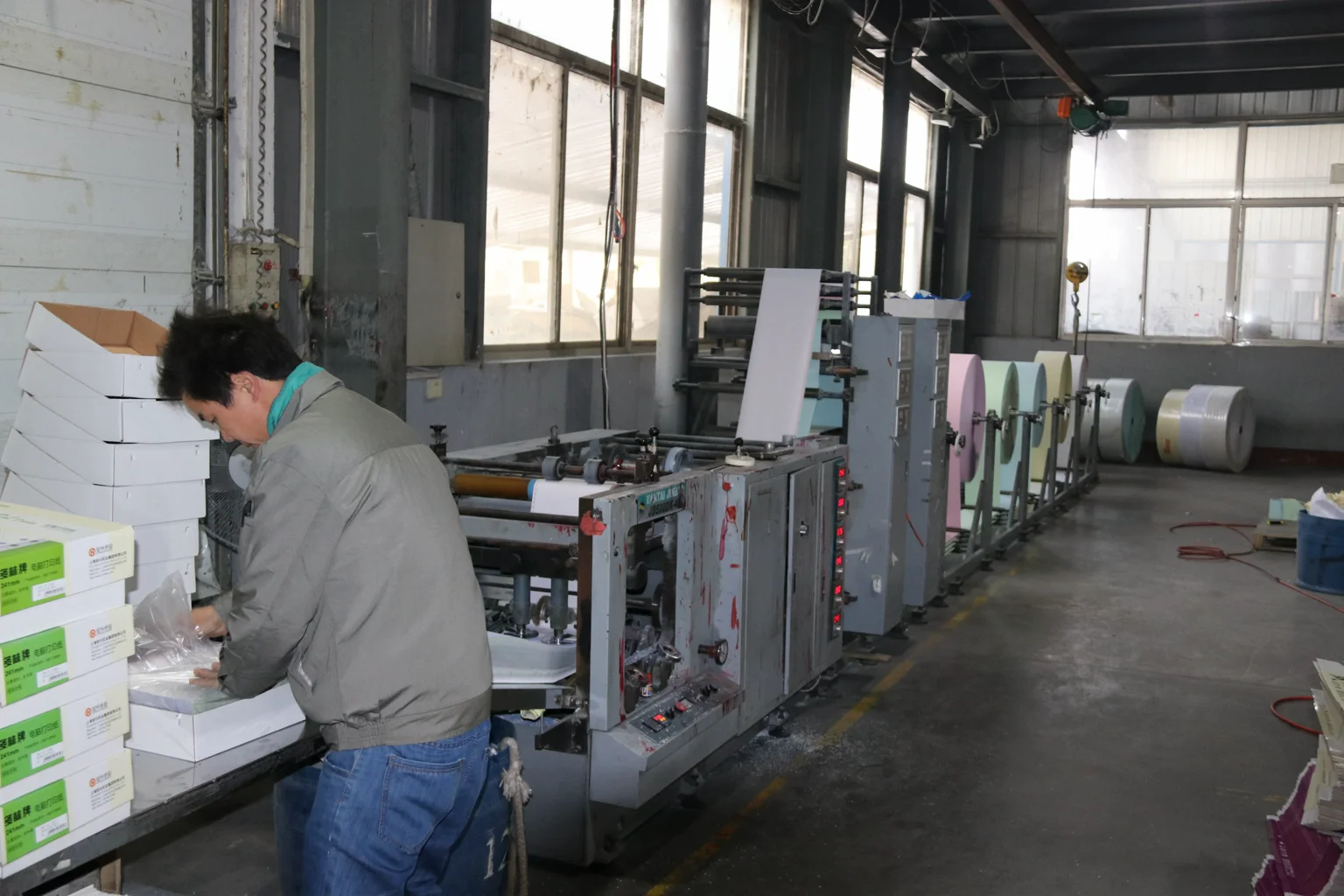
Incoming paper, in-process production, finished goods and pre-shipment checks form CXPAPER’s inspection sequence. Use the order’s agreed dimensions, layout, part sequence and packing to make those checks relevant. Inspection reports are available for review. There is no single paper-family claim that replaces a document trial, and any retention or archive requirement belongs in the product-specific brief.
| Quality question | What the review covers | Evidence to retain |
|---|---|---|
| Copy paper | Check sheet dimensions, selected grade, pack count and representative simplex or duplex printing. | Record printer model and settings; retain example sheets from the intended document. |
| Continuous forms | Inspect feed dimensions, page repeat, folds, holes and separation points; run the actual layout. | Keep a printed length showing alignment before and after separation. |
| Carbonless sets | Inspect the intended part sequence and all required copies using the actual impression method. | Retain the complete set, including the least legible copy; identify fields that matter. |
Bring the intended use, critical measurements and required documents into the same discussion.
Discuss order qualityBUYER QUESTIONS / OFFICE & FINANCE
Before you
place the order.
Can A4 copy paper be ordered for an A4 thermal printer?
The page size alone does not make the media interchangeable. Copy paper and thermal-printer media are different categories. Check the exact printer's supported medium before placing a request, and include the model if the requirement is unclear.
How should quotations for multipart forms be compared?
Align finished dimensions, parts, construction, printing and packing. State whether the quoted quantity counts sheets or complete sets. A set containing several sheets cannot be compared with a sheet price without an explicit conversion.
What if the last copy is difficult to read?
Keep the complete sample set and record the sheet sequence, writing or printing method, equipment and settings. Share examples of the affected fields and the conditions. Those details provide a useful basis for reviewing the construction and application.
What quality documents can CXPAPER provide?
CXPAPER can provide inspection reports for review. Identify the product, inspection scope and document requirements in the enquiry. A report should relate to the agreed material or order; a general brochure is not a batch inspection result.
Related products and guides
Technical reading.
These manufacturers’ references explain paper and label principles. CXPAPER capabilities on this page come from the company’s supplied materials; the referenced manufacturers’ own products, performance claims and certifications are not CXPAPER specifications.
FROM APPLICATION TO AN AGREED SPECIFICATION
A sample should answer
your operating question.
Specify what you print, the equipment or surface involved, and the issue the sample needs to resolve. Add quantity, packing and destination for the quotation.
Plan your document sample