
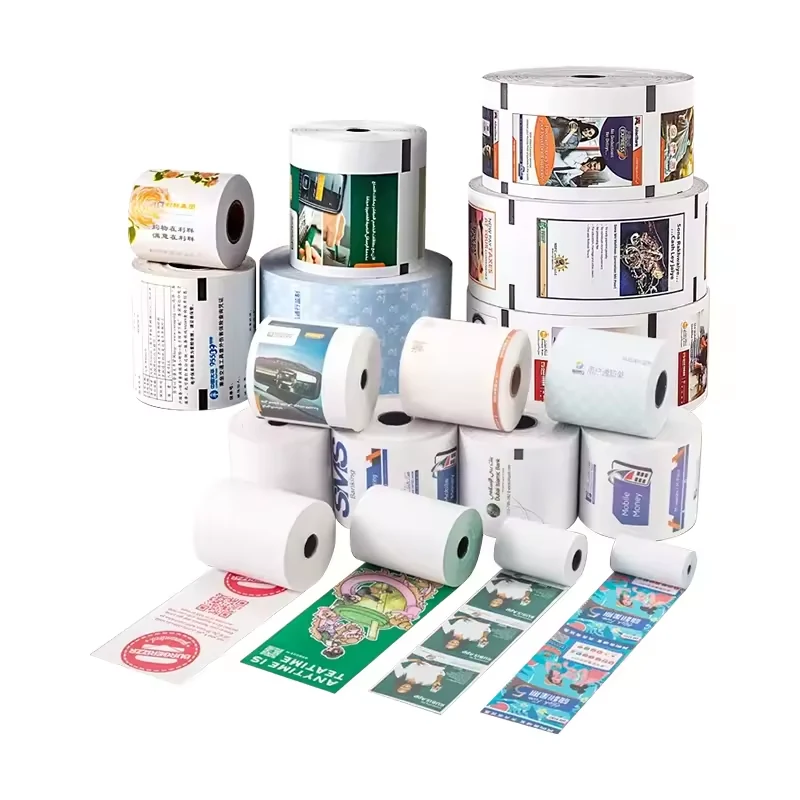
A paper master sample is an identified physical reference linked to an agreed specification and approval record. Record what was tested, the conditions, the results and the scope of approval. Keep the sample, artwork revision and purchase specification connected so later changes trigger a deliberate review.
A sample can look right on a desk and still leave the production order open to interpretation. One person may have approved its dimensions, another the printed logo, while nobody has checked the packed quantity. Paper master sample approval works when the physical item and the written decision describe the same requirement.
Decide what this sample is meant to prove
Before the sample arrives, list the decisions it should support. A plain material sample may help with a print trial but cannot approve artwork it does not carry. A short label roll may support a feed check but does not demonstrate the fit of a full roll at its proposed outside diameter.
Describe the requested sample format and ask the supplier to identify any differences from intended production. Record those differences as open points. Use the OEM order checklist for the underlying brief, then make the evaluation specific to this sample.
Keep sample approval separate from authorisation to start production. The latter also needs the agreed order quantity, final documents and commercial arrangements.
Identify the sample before anyone starts testing
Give each candidate a reference and record the supplier’s sample code, arrival date and associated specification revision. Photograph the packaging and any labels that explain its construction. If testing will consume the sample, agree whether an untouched reference portion or duplicate should be retained.
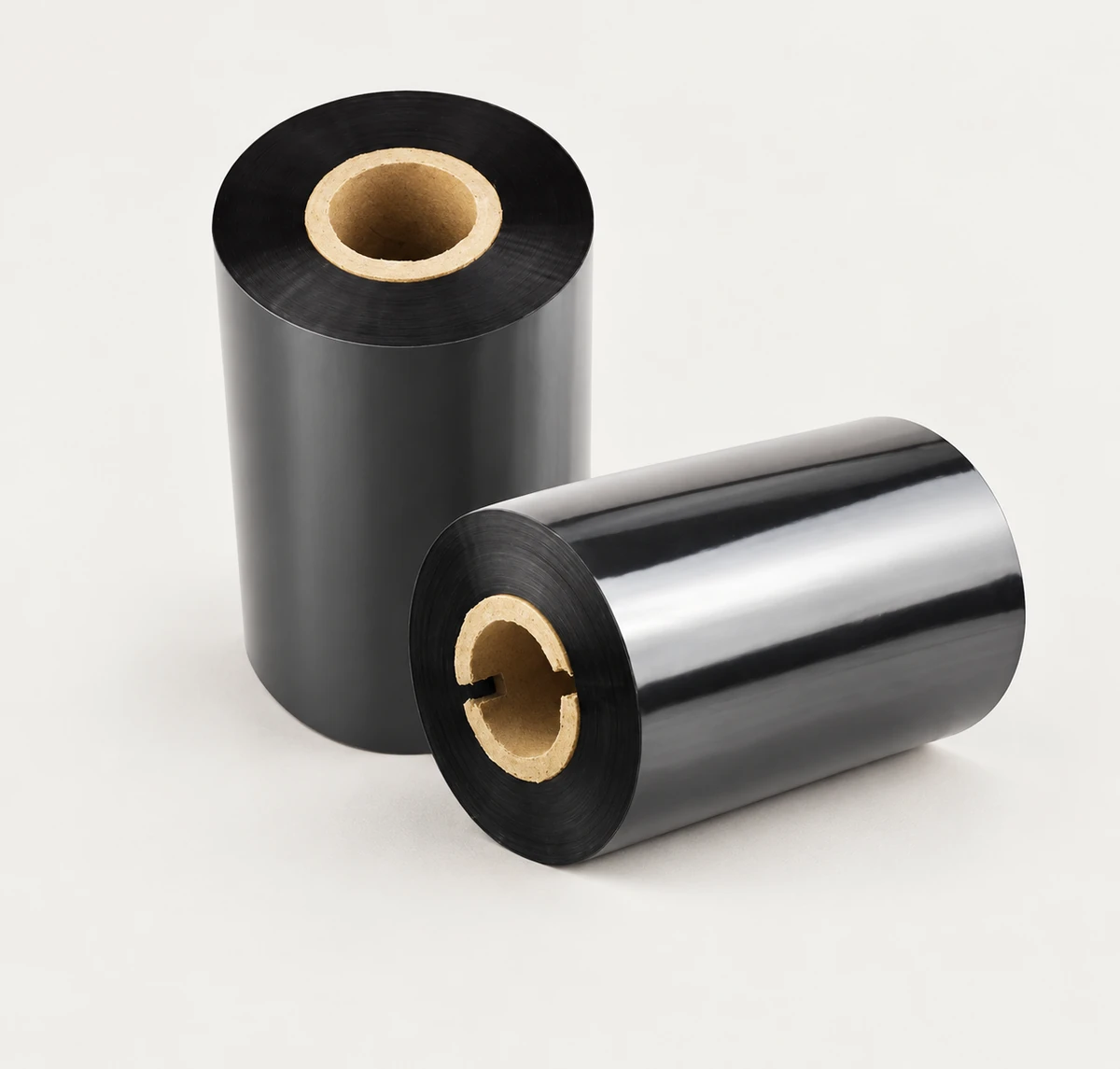
For a thermal transfer label, keep the ribbon reference with the label reference. For multipart forms, identify the entire set and its sequence. Approval of a single sheet or isolated consumable should not silently become approval of an untested combination.
The ribbon selection guide and carbonless and continuous paper guide explain the technical details that belong in these records.
Agree the acceptance criteria before the trial
Choose checks that answer actual buying decisions. Record the method and the required outcome in advance so the team does not adjust its standard after seeing the result.
| Decision | Evidence to record |
|---|---|
| Physical fit | Measured dimensions, equipment model and fit observations |
| Printing and feeding | Media and ribbon references, settings, test file and observed results |
| Use after printing | Package surface, handling conditions, elapsed time and outcome |
| Artwork and packing | Approved file revision, orientation, quantity and marking checks |
Where a requirement has a numerical tolerance or a defined test method, agree it explicitly. Do not invent a universal threshold for all paper grades, printers or label applications.
Run the trial in the intended workflow
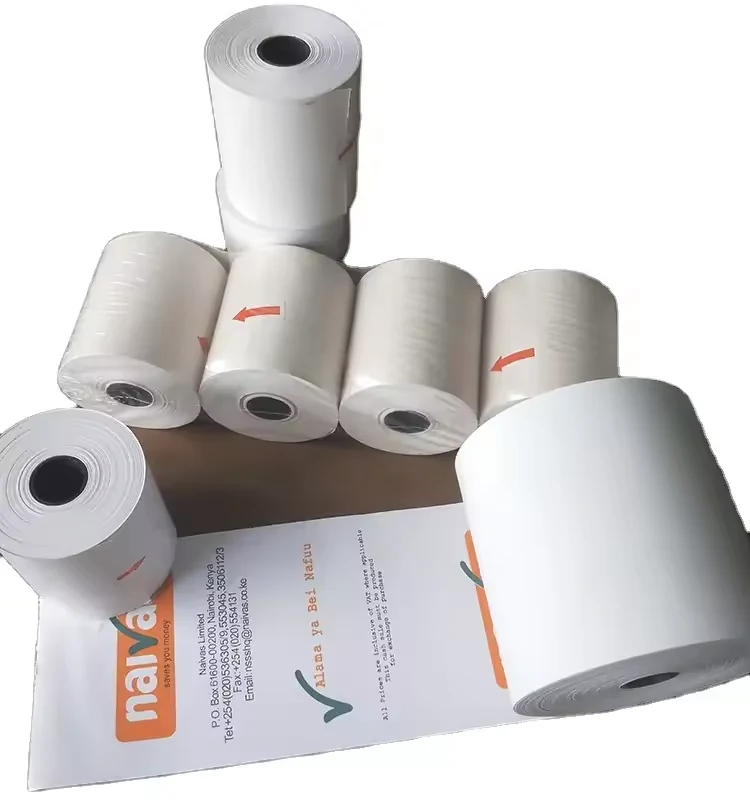
Use the actual printer model and representative document or label template. Note its settings and any changes made during the trial. For labels, include the real package surface and intended handling conditions; for forms, review the copies that the receiving department will use.
Keep observations separate from conclusions. “Fed through the test printer with these settings” describes a result. “Works everywhere” goes beyond that evidence. A failed trial should retain the same details so the supplier can assess what needs to change.
Barcode scanning and verification also answer different questions. GS1 UK explains that a scan only shows whether that particular scanner can read the symbol. If barcode quality verification is required, agree the applicable specification and report instead of treating a successful scan as verification. See GS1 UK’s verification guidance.
Write a decision that leaves no hidden approval
Use a clear status: approved for the stated scope, revision required, or further evaluation required. Identify the person making the decision and the date. If some elements pass and others remain open, list them individually rather than writing “approved with comments” above an ambiguous email chain.
An illustrative decision might approve label dimensions and feeding against revision B while leaving carton artwork unapproved. The final production release would then need the approved artwork reference as well as the technical approval.
The approval record should identify the sample, linked specification, checks completed, results, limits and unresolved items. A master sample supports repeatability; it does not by itself establish the quality of every unit in a future production batch.
Carry the reference into production and reorders
Agree how both parties will retain and identify the reference sample. Store it according to the selected material’s instructions and keep the written record accessible even if the physical sample changes with age or use. Refer to the paper storage guide when planning retention.
Link the approved references to the purchase order and the agreed production inspection requirements. Request notice of proposed changes to material, dimensions, print, packing or any tested combination, with a decision about whether another sample review is needed.
For a reorder, first confirm that the specification and application still match the approval. Use the sample evaluation worksheet to keep the evidence and the approval together from the beginning.
Sources and scope.
These sources support the specific guidance linked in the article. The workflows and examples are purchasing aids; your order agreement defines the supplied product and commercial scope.