

Compare paper quotations in three passes: confirm product equivalence, align the quoted quantities and cost coverage, then check the conditions needed to fulfil the order. Keep exclusions and unresolved items visible. A lower quoted total is meaningful only when the offers cover the same purchasing requirement.
One paper quotation may include branded cartons, another plain packing. One may cover transport to a named point while another stops at collection. Putting their totals in adjacent cells creates a comparison, but does not yet create a buying decision. A useful comparison sheet shows what each supplier is actually offering and what still needs to be established.
Start with a technical pass, before ranking prices
Link each quoted line to the current purchase specification. Confirm whether the offered material, dimensions, printing and packing match it. If a supplier proposes an alternative, keep the alternative identifiable and decide whether it belongs in the comparison.
A roll with a different length or a label with a different construction may be a useful option. It should not receive an equal-specification label merely because its product name looks familiar. Mark each line as matching, proposed alternative or awaiting clarification.
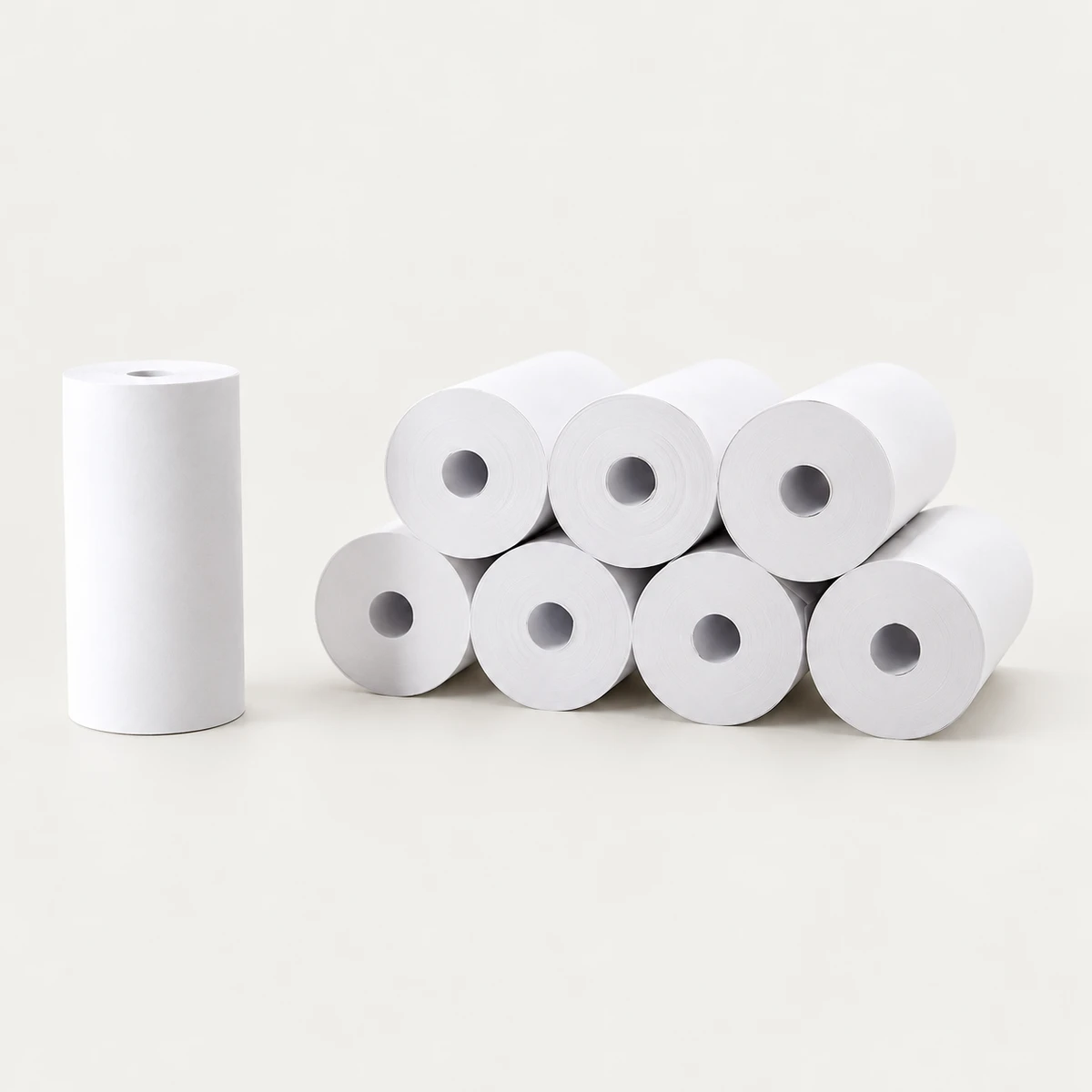
Use the thermal roll quotation guide for the cost-per-length calculation. This article deals with the additional decisions needed to compare the whole purchasing offer.
Keep the quoted unit and comparison unit together
Preserve the supplier’s original quantity, unit price and packing description. Add a separate column for the unit your team will compare, with a visible conversion. This allows someone else to check the calculation without reconstructing the source quotation.
For illustration, a carton price of 48 currency units for 60 rolls converts to 0.80 per roll. The conversion says nothing about metres per roll, material suitability or included freight. Those remain separate fields. This example is arithmetic, not an actual offer.
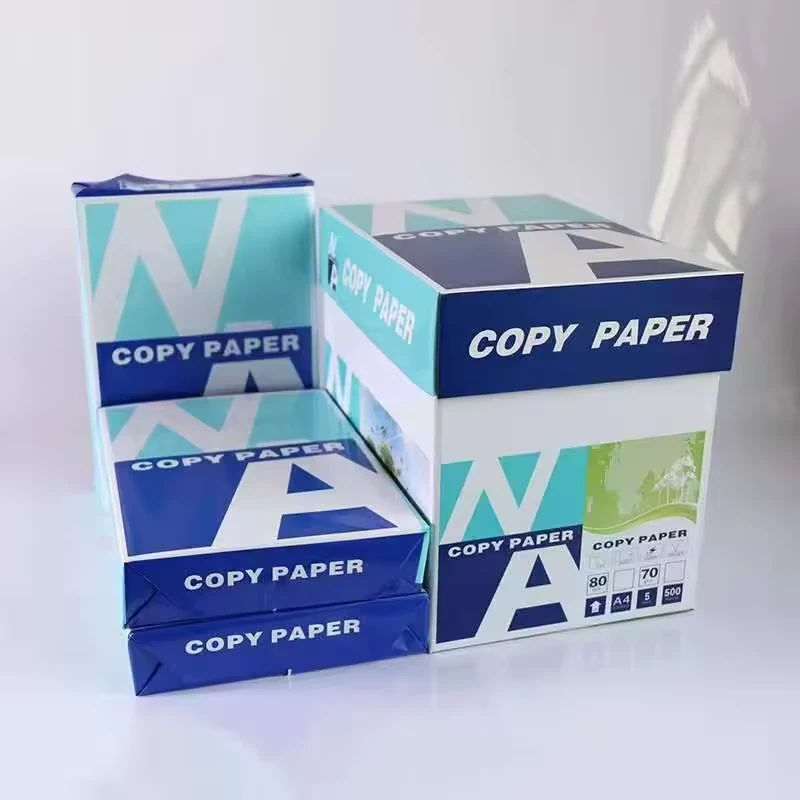
Do not combine rolls, labels and reams into a single unit-price average. Compare each product on its relevant basis, then evaluate the agreed basket. The A4 paper packing guide helps align sheet and carton quantities.
Map what the price includes
Add one row for each relevant cost component and give it a clear status: included, quoted separately, excluded or unresolved. A blank cell must not become a zero when totals are calculated.
| Component | Detail to reconcile |
|---|---|
| Goods and packing | Same product quantities, pack configuration and artwork scope |
| Samples and setup | Separate charges and any explicitly agreed credits |
| Inspection | Requested work, provider and included fee |
| Transport and handling | Route, shipment size, named endpoint and included services |
| Destination requirements | Items confirmed by the relevant logistics or customs provider |
Record the source and date of any separate estimate. If a cost depends on shipment dimensions that are still provisional, show that dependency beside the number.
Describe the delivery basis precisely
Ask the supplier to state the trade rule, precise named place or port, and applicable version. ICC explains that Incoterms rules allocate obligations, costs and risk; they do not define the goods specification or payment arrangements. See ICC’s explanation of Incoterms and commercial contracts.
Keep that information beside the quote. An informal phrase such as “shipping included” leaves the endpoint and service unclear. Confirm the quoted route and packed quantities with the logistics provider before using a transport estimate in a common comparison.
This sheet records confirmed purchasing inputs. Classification, duties, taxes and local clearance requirements need the appropriate destination-specific confirmation; do not generate them from a generic percentage in the worksheet.
Compare the conditions behind the promised schedule
Ask what starts the stated production period: order confirmation, receipt of payment, artwork approval or approval of a physical sample. Record whether the date refers to goods ready for collection, dispatch or arrival. These milestones should not share one unlabeled “delivery” column.
For a mixed order, identify whether the timing applies to every line. A quotation that assumes all artwork is already approved is not directly comparable with one that includes time to complete that work.
Keep payment milestones, quotation validity, sample status and unresolved technical points visible. They are part of the decision even when they cannot sensibly be reduced to one score.
Record the decision and hand over its assumptions
A complete purchasing comparison shows both a conclusion and the evidence supporting it. Identify the selected specification, the reason for the choice, the final quotation revision and any conditions that must close before the order is released.
If a material cost remains unresolved, mark the offer as incomplete rather than presenting a definitive landed total. If all relevant inputs are confirmed, retain their scope so a later reviewer can see why the totals were comparable at the decision date.
Pass the approved product codes, packing quantities, delivery arrangements and sample references to the people receiving the goods. Begin with the procurement worksheets and keep the comparison linked to the final order, not isolated in a pricing email.
Sources and scope.
These sources support the specific guidance linked in the article. The workflows and examples are purchasing aids; your order agreement defines the supplied product and commercial scope.