

A mixed paper product RFQ needs a separate, revision-controlled line for each product and packing combination, plus one shared delivery brief. Keep quantities in explicit units, link each line to its technical specification, and ask suppliers to show differences and unresolved details beside their prices.
A distributor may need receipt rolls for stores, shipping labels for its warehouse and A4 paper for resale in the same purchase. A short list of product names makes the enquiry easy to send, but leaves every supplier to decide what belongs in the offer. A useful request for quotation, or RFQ, gives those decisions a clear structure before prices arrive.
Give every order line a stable identity
Create one line for each combination that your team needs to buy, receive or replenish separately. Two receipt rolls with different lengths belong on different lines; so do identical labels sold in different carton quantities when those packs serve different sales channels.
Assign a buyer reference such as R01 or L01 and keep it through the enquiry, quotation, sample record and purchase order. Ask suppliers to return their own product reference alongside yours. A revised offer should identify the changed line instead of silently replacing its description.
Use the OEM paper order checklist to gather product details. The purpose here is to coordinate those individual specifications across the whole purchase.

Write the quantity chain all the way to the carton
For every line, connect the purchasing unit to the physical units inside it. A roll line needs rolls per carton; a label line also needs labels per roll; a sheet line needs sheets per pack and packs per carton. Keep these conversions visible even when the supplier quotes only a carton price.
For example, an illustrative label requirement of 100 rolls, each containing 500 labels, means 50,000 labels. If a proposed carton contains 20 rolls, that is five cartons. These figures demonstrate the worksheet structure; they are not a product or packing offer.
Where GS1 identifiers are used, packing changes also need an identification review. GS1 states that changing the number of trade items in a case, or cases in a predefined pallet configuration, requires a new GTIN. See GS1’s pack/case quantity rule.
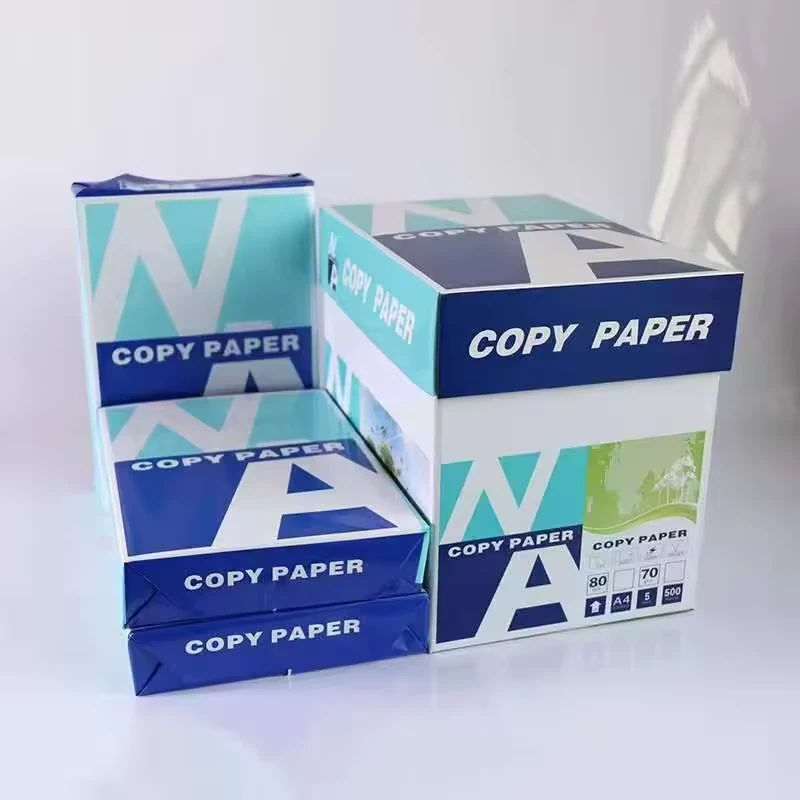
Keep alternatives visible and approvals independent
Ask for a response against the requested specification first, with any alternative clearly identified. If a supplier proposes a different roll length, adhesive or packing count, it should be a visible variation with its own consequence for quantity and evaluation.
A mixed enquiry should also show who approves each line. The warehouse may evaluate labels, store operations may review receipt rolls, and the purchasing team may coordinate packing. Assign one person to collect those decisions so a successful test on one item does not become accidental approval of the whole basket.
Use the relevant roll fit guide or label adhesive guide when a line needs technical clarification.
Make consolidation a decision, with a fallback
A single enquiry does not establish that every item will be ready together or travel in one shipment. Ask suppliers to identify expected readiness by line and to explain any dependency on artwork, material selection or sample approval.
State how your team wants to handle a delayed item: hold the whole order for review, consider a split shipment, or review an alternative. These are purchasing choices to discuss, not instructions to ship automatically.
For shipment planning, request carton counts, external dimensions and gross weights by line. Ask how mixed pallets will be identified. The receiving team should be able to match each packed unit to the same buyer codes used in the RFQ.
Release a brief that can survive a revision
Before sending, check four connections: each product has a specification; each quantity has a unit; each approval has an owner; and each delivery requirement has a clear meaning. Keep a short open-points list for unanswered questions, with a responsible person and the next decision required.
Save the issued RFQ as a dated revision. When an answer changes the brief, update that revision and ask all participating suppliers to quote the same basis. This gives the team a useful comparison instead of several interpretations of an early email.
Start with the paper procurement worksheet, then attach one completed product line for each item in the planned purchase.
Sources and scope.
These sources support the specific guidance linked in the article. The workflows and examples are purchasing aids; your order agreement defines the supplied product and commercial scope.